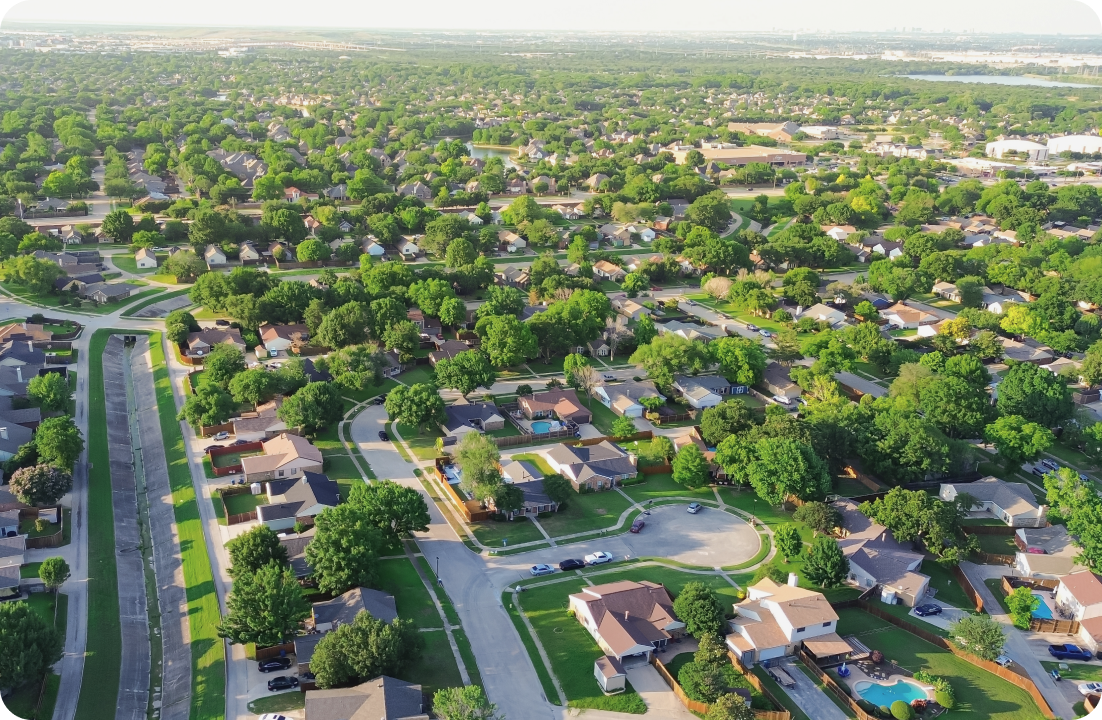
Preston Peck, Senior Sustainability Analyst in Tacoma's Environmental Services department, sits down to talk about how the city modernized its recycling education without losing the personal touch that makes it work.
Tacoma, Washington's third-largest city, is one of the state's most demographically diverse, and home to more than 200,000 residents. For Preston Peck, who has spent the past eight years in Tacoma’s Environmental Services Department, the challenge has never been simply getting residents to recycle; it’s helping them recycle correctly as rules continue to evolve.
His work took on new urgency when the National Sword policy upended global recycling markets. As commodity prices fell and acceptable materials changed, Tacoma faced difficult decisions about what could continue to be collected curbside.
City Council asked residents what they were willing to pay to preserve the program, and the response was clear: Tacomans valued recycling and wanted it to continue. But they also needed greater confidence that what they placed in their recycling carts was actually recyclable.
That meant education had to become more responsive than an annual mailer or printed brochure could provide.
From Static Flyers to Real-Time Recycling Guidance
Rather than launching an entirely new initiative, Peck built a dedicated education and outreach effort around a tool the City already had available but hadn’t yet fully utilized: Recycle Coach.
As processing requirements shifted, the City’s list of accepted materials was changing and static print materials quickly became outdated. Peck points to two common examples that illustrate that challenge. Tacoma once accepted bundled plastic bags, after being told by their processor that they could separate them later, only to learn they were jamming machinery instead. Likewise, two nearly identical paperboard boxes, a cereal box and a frozen food box, need opposite disposal rules: the frozen box's moisture-sealing coating can cause challenges for paper mill equipment the cereal box never would.
Rather than trying to explain those nuances on a flyer, Tacoma began directing residents to Recycle Coach for item-specific guidance that could be updated as processing requirements changed.
For Peck, maintaining public trust depends on providing accurate answers, even when that means accepting fewer materials.
“If I can't guarantee that material is actually getting screened, sorted, and baled for market, then I don't think that's what Tacomans want to see," he explains. "They want to see their stuff actually getting recycled."
As markets and processing capabilities continue to evolve, that flexibility has become increasingly important.
Reaching Residents Through Trusted Community Partners
Tacoma’s diverse population has shaped the way the city approaches education.
Peck has watched new residents, particularly those arriving from outside the U.S., mistake the blue recycling cart for an additional garbage container simply because the system is unfamiliar. Closing that gap is a responsibility supported by the City's Community Ambassador Program, which pairs Recycle Coach's multilingual capabilities with community organizations that review materials for cultural relevance before they reach residents.
Peck's philosophy is simple: the messenger matters as much as the message.
In some communities, outreach works best through youth who carry information home to their parents; in others, elders carry the most trust, and the program is built around them instead. Tacoma’s outreach strategy is designed around those local relationships rather than relying on one-size-fits-all communication.
A parallel schools initiative reinforces those same habits in the classroom, helping establish knowledge early while extending education beyond traditional municipal outreach.
Using Realtime Data and AI to Help Correct Recycling Contamination
Like many municipalities, Tacoma continues working to reduce contamination, maintaining a solid rate of approximately 20–25%.
Rather than relying on broad awareness campaigns alone, Peck's team uses Recycle Coach to deliver targeted education around specific materials while measuring resident engagement through quizzes and campaign participation.
One of the team's biggest priorities is battery disposal, a leading concern for recycling programs across North America. For municipalities operating their own collection fleets, however, the consequence of a single battery-related truck fire can result in hundreds of thousands of dollars in damage and significant service disruptions.
Tacoma's newest initiative builds on that educational approach by integrating Recycle Coach with Prairie Robotics' smart camera technology.
In addition to the educational postcards that arrive after collection noting the contamination event, residents now receive a push notification when an incorrect material is detected in their recycling cart. By connecting the education to the collection event itself, the city hopes residents can make corrections while the experience is still fresh in their minds.
Advice for Municipalities Exploring New Technology
For other municipalities considering a digital tool, Peck encourages them to focus less on the stress of change, and more on the problems they're trying to solve.
Every community has different needs, demographics, and communication preferences. Rather than assuming one platform will fit every municipality, he recommends evaluating tools carefully, testing them intentionally, and choosing solutions that complement existing outreach efforts rather than replacing them.
For Tacoma, technology has become a way to strengthen, not substitute for, the personal connections that make their curbside education effective.
Today, Recycle Coach serves as Tacoma's always-available waste and recycling education hub, connecting approximately 60,000 monthly users with up-to-date disposal guidance. With more than 100,000 content interactions and 2,000 material searches each month, the platform has become a core part of how the city delivers timely, accessible education while complementing larger outreach efforts.
It has allowed us to reach our diverse community and is a complementary education platform that we regularly reference in our Community Ambassador Program. We also appreciate that we can update material instructions in real time, and track outreach progress in measurable and meaningful ways.


Let's work together
We’re a proud partner to 1,500+ municipalities across North America and beyond. From local problems to larger initiatives, we’d love to have a conversation. Send us a note and we’ll be in touch as soon as possible.